



Do you work at OpenAI?
Get expert insights from financial advisors who specialize in helping OpenAI employees and executives make the most of their compensation package and benefits.
Looking for a financial advisor who specializes in working with OpenAI employees? You’re in the right place. Below, you’ll find advisors who understand OpenAI benefits and compensation — along with their answers to common financial questions from OpenAI employees and executives.
Whether you recently joined OpenAI or you’ve advanced into a management or executive leadership role over a multi-year career, making smart decisions about your income and OpenAI benefits can have a lasting impact on your financial future. For example:
✅ Do you know the right moves to get the greatest value from the OpenAI benefits available to you?
✅ If you’re thinking about leaving OpenAI for another job or planning to retire in a few years, are you taking the right steps today to receive all the compensation and benefits you’ve earned?
Key Takeaways
OpenAI Pays Most Equity as PPUs (Profit Participation Units), Not Traditional Stock
OpenAI’s primary equity instrument is the Profit Participation Unit, which grants a share of the company’s future profits rather than actual shares, vests over four years, and becomes liquid mainly through periodic tender offers. Some newer employees may also hold RSUs or options, so the first step is understanding exactly what type of equity you have.
Concentrated OpenAI Equity Is the Biggest Risk Many Employees Overlook
Because OpenAI equity values have climbed quickly, that equity can make up an outsized share of an employee’s net worth. Advisors suggest dividing your vested equity value by your total investable assets, and building a diversification plan if that figure climbs above roughly 20%.
OpenAI Has Confidentially Filed for an IPO, Raising the Stakes on Liquidity Planning
OpenAI confidentially submitted a draft IPO registration with the SEC in 2026, though the company has said timing is undecided and a public listing could still be a while away. A clear plan covers how concentrated you are, how much equity to sell at liquidity events such as tender offers or an eventual IPO, and how to manage the resulting tax bill.
Why OpenAI Employees Work with a Specialist Financial Advisor
Throughout the year, OpenAI provides its employees and executives with updates about their benefits, ranging from health insurance and health savings accounts to retirement plans like a 401(k), along with equity compensation. Unlike most public companies, OpenAI has historically granted equity as Profit Participation Units (PPUs) — a share of the company’s future profits that vests over several years and becomes liquid mainly through periodic tender offers — though some employees may also hold restricted stock units (RSUs) or stock options. While the company offers many useful resources and access to knowledgeable staff who can assist with questions, you’ll also find financial professionals not affiliated with OpenAI who specialize in helping OpenAI employees make the most of their income and benefits.
Whether you work at OpenAI’s San Francisco headquarters in the Mission Bay area, a growing office elsewhere in the Bay Area or another city, an international office, or remotely from home, you may have questions about your compensation package and benefits better suited for a financial professional who can offer unbiased advice and guidance.
Sensitive topics — like the steps you should take before quitting your job at OpenAI to work elsewhere, protecting yourself in advance of a corporate layoff, or deciding when you should plan to retire — are all conversations that may be more comfortable with a trusted financial advisor.
Should You Hire an OpenAI Specialist or a Local Financial Advisor?
You’ll likely find dozens of nearby financial advisors well-suited to help you reach your money goals with a personalized plan. But it can be harder to find a financial advisor who specializes in serving OpenAI employees. Fortunately, many financial advisors offer virtual services, so you can meet online no matter where you (or they) live — which means you can hire a specialist financial advisor who lives hundreds of miles away if their knowledge and experience working with OpenAI employees is the better fit for your unique needs.
💡 In the Q&A below, you’ll gain insights from financial advisors who work with OpenAI employees to help them make smart decisions, get the most value from their compensation and benefits, reduce their money stress, and prepare for a comfortable retirement.
🙋♀️ Have a question not yet answered? Use the form below to submit it anonymously and watch this article for updates with answers to your questions. You can also reach out to the financial advisors below to set up an introductory call or contact them with your questions by email.
Q&A: Financial Planning Tips for OpenAI Employees & Executives
In this section, you’ll learn how you can make the most of your OpenAI employee benefits and gain valuable tips from financial advisors who specialize in working with OpenAI employees and executives.
Jump to a Financial Advisor for OpenAI Employees
Financial Advisor Q&A · OpenAI Employees
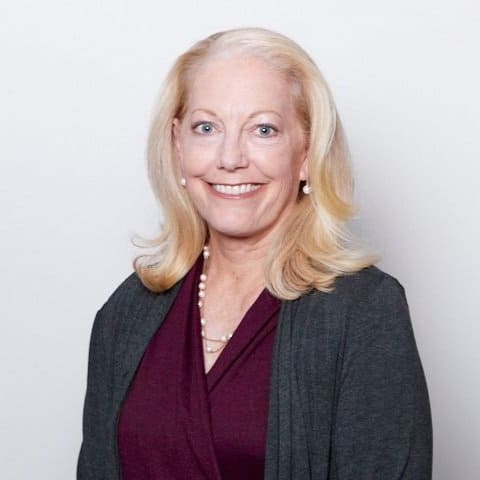
Jackie Lewis, CFP®, MBA
Wealth With Options · San Diego, CA · Serves clients nationwide
Helping clients build wealth with equity compensationJackie Lewis is a financial advisor based in San Diego, California who specializes in offering financial planning services to OpenAI employees. Jackie helps her clients get the most value from their OpenAI benefits and compensation package so they can enjoy life and feel confident about their financial future.
QAs a financial advisor with experience helping OpenAI employees save for their retirement, how do you help them make the most of their employee benefits?
OpenAI has some great benefits and we make sure that you are taking advantage of all that they offer. This includes helping you with equity compensation, retirement accounts, health insurance and family benefits within their overall corporate benefits package.
QWhen you first speak with an OpenAI employee, what questions do you like to ask to better understand their unique circumstances and determine how you can best help them achieve their goals?
OpenAI has unique features in their periodic tender offers so we help you to strategize around the best way to tax efficiently liquidate your PPUs based on your unique situation and needs. This leads to questions such as What are your goals in life? How long do you hope to stay with Open AI? What would you like to do for your family? How well do you feel you understand your equity compensation? Do you have an idea of what taxes you will owe with your total compensation package?
QIs there a particular benefit available to OpenAI employees you feel isn’t as well utilized or understood by employees as it should be?
We help you to understand your PPUs and put together a strategic plan to find the most tax efficient way to liquidate this compensation so that you can use this to fund your goals whether they be financial freedom, a home purchase, travel plans, etc.
QBeyond OpenAI employee benefits for retirement savings, are there other types of benefits offered by the company that you find valuable to discuss with your clients?
OpenAI provides a significant portion of your compensation through their PPUs so we guide you through how best to leverage them during a tender offer so that you pay the lowest tax possible and have a multi-year plan at your finger tips.
QFor OpenAI employees thinking about leaving the company to accept a job elsewhere, what actions do you recommend they take before resigning and shortly thereafter?
If you’re thinking of leaving OpenAI, you should consider the impact on your PPUs which will now take a lower ranking than current employees. In addition, any first-year bonus that may need to be repaid, and whether they are prepared with enough emergency savings if making a move to a smaller tech company.
Another consideration is health insurance. Health insurance will end at month-end of your employment. Knowing you have another job starting in a few weeks vs. a few days may leave you open to a medical emergency if coverage is not continuous. Finally, 401(k) employee contributions and HSA contributions are a sum game across employers. If you contribute the maximum to the OpenAI 401(k) and then move to a new employer, you will need to wait until the next year to start contributing to the new 401(k).
QFor OpenAI employees approaching retirement age, how do you recommend they prepare to make the transition from living off their salary to relying upon other sources of income?
Many of our tech professional clients look to make work optional around age 50 to age 55. This means a time of needing taxable investments and medical coverage. We work with our clients to understand COBRA and health exchange options years in advance, so we have a good year of emergency savings ready for the first big moment of this next phase in life. Then, it’s really about seeing how you can lean into your values and passions while keeping the finances in mind.
Some of our clients go on to create their own startups or decide on consulting or volunteer work, etc. ‘Retiring’ isn’t about sitting around. These different adventures may require cash needs to get going, so we make sure we understand what will be going out the door for this as well. We help them structure their cash flow needs so they can see how they are doing spending-wise compared to what we planned for.
QFor OpenAI employees who have managed their finances on their own to this point, what would you suggest they consider to help them decide if they should begin working with a financial advisor at this stage in their lives?
An advisor can help with short-term decision-making such as equity compensation decisions, tax advantaged guidance, etc. and also with bigger-picture thinking (i.e. creating a framework so you can see the direction all your hard work is taking you, and make sure your money behaviors are aligning with your life goals). A client is often already doing many of the right things and the value of the planning process is to put things in a broader framework to allow for proactive/intentional decisions to be made as well as being a sounding board and accountability coach for the client.
We encourage DIY investors to consider the cost of NOT getting a second opinion. Investment management is one thing, but retirement planning has incredible nuance to it that many people overlook such as:
- How will my investments be taxed? Can I minimize my lifetime taxation? Am I taking too much (or not enough) risk in the markets?
- What is my plan to turn my assets into income? What are the tax implications of doing that?
- Am I going to run out of money? How should I deal with Inflation?
- What about long-term care?
- Are my beneficiary designations up to date? Do I understand what’s going to happen to my assets when I pass?
- Do I need life insurance? Do I have enough or too much? Should I keep these old policies?
There are a number of different areas that a Certified Financial Planner (CFP) can provide incredible value to a recent retiree, even if they choose to continue to manage their own investments.
QWhat are some of the unique financial planning challenges you commonly see among your clients who are OpenAI employees and how do you help them overcome these obstacles?
A good, high-paying job in tech can feel a bit like golden handcuffs sometimes and it can be hard to imagine walking away. But, if you want to prepare for an exit or a shift to a different industry, we can create a pathway to ease the transition. In a role with equity compensation, a challenge can be to define how much to rely on that compensation in the plan. It’s variable and can be hard to quantify, but can be significant. So, having a firm structure based on a client’s comfort with the exposure and how it’s treated in the plan is important.
QWhat questions do you recommend OpenAI employees ask financial advisors they’re considering hiring to help them decide if they’re a good fit?
Are you a fiduciary? Do you have to act in my best interest? Will you be providing comprehensive financial planning or just investment management? What will I pay in fees? Are there any hidden fees in the products you’re recommending?
Considering a financial advisor who specializes in working with OpenAI employees?
Investment advisory services are offered through Mariner Platform Solutions (“MPS”), an SEC registered investment adviser. Wealth With Options is a separate business entity used for marketing purposes. The separate business entity is not owned, controlled by, or affiliated with MPS and is not registered with the SEC. For additional information about MPS, including fees and services, please contact MPS or refer to the Investment Adviser Public Disclosure website (www.adviserinfo.sec.gov). Please read the disclosure statement carefully before you invest.
Financial Advisor Q&A · OpenAI Employees
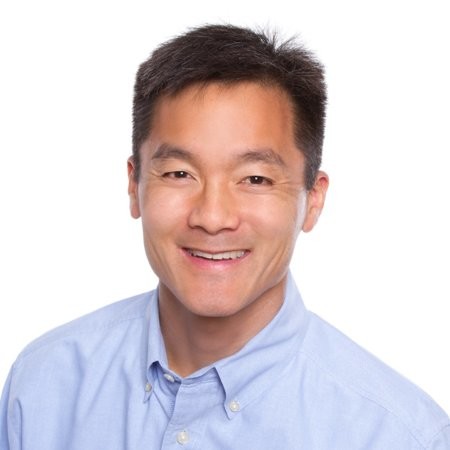
Tom Lo, CFP®, MBA
Vested Financial Planning · San Carlos, CA · Serves clients nationwide
Financial planning for tech professionals with equity · Fee-only fiduciaryTom Lo is a financial advisor based in San Carlos, California who specializes in offering financial planning services to OpenAI employees. Tom helps clients get the most value from their OpenAI benefits and compensation package so they can enjoy life and feel confident about their financial future.
QAs a financial advisor with experience helping OpenAI employees save for their retirement, how do you help them make the most of their employee benefits?
For OpenAI employees who want to get to financial independence, I help you make the most of your employee equity including PPUs and RSUs. I help you diversify risk, minimize taxes, and make the most of your OpenAI equity so you can achieve financial independence.
QWhen you first speak with an OpenAI employee, what questions do you like to ask to better understand their unique circumstances and determine how you can best help them achieve their goals?
What are your big life goals? When do you want to get to financial independence? What financial goals do you have for yourself and your partner e.g., buy house? What financial goals do you have for your children e.g. pay for college? What financial goals do you have for your lifestyle e.g., travel? What vested and unvested OpenAI equity do you have?
QIs there a particular benefit available to OpenAI employees you feel isn’t as well utilized or understood by employees as it should be?
OpenAI employees don’t understand your OpenAI equity including PPUs and RSUs as well as it should be because this is by far your most important employee benefit. I can help you understand how to diversify risk, minimize taxes, and use your OpenAI equity to reach your goals including financial independence.
QBeyond OpenAI employee benefits for retirement savings, are there other types of benefits offered by the company that you find valuable to discuss with your clients (e.g. stock, education savings, health savings)?
I find it valuable to discuss your OpenAI equity including PPUs and RSUs to help you so you can diversify risk, minimize taxes, and maximize the value to achieve your other financial goals.
QFor OpenAI employees thinking about leaving the company to accept a job elsewhere, what actions do you recommend they take before resigning and shortly thereafter?
For OpenAI employees thinking about leaving OpenAI, I can help you negotiate your compensation package with your new employer by quantifying the financial value of your OpenAI equity that you’re leaving on the table. I can help you understand the details of your vesting schedule including timing so you can maximize the vesting of your PPUs and RSUs.
QFor OpenAI employees approaching retirement age, how do you recommend they prepare to make the transition from living off their salary to relying upon other sources of income?
I help OpenAI employees approaching financial independence understand how you can use your OpenAI equity and other assets to generate enough income to support your financial independence and with what type of lifestyle.
QFor OpenAI employees who have managed their finances on their own to this point, what would you suggest they consider to help them decide if they should begin working with a financial advisor at this stage in their lives?
For OpenAI employees who don’t have the time, energy, interest, or expertise to understand how to diversify risk, minimize taxes, and maximize value of your OpenAI equity including PPUs and RSUs, you should consider working with a financial planner that specializes in working with tech professionals with equity. If a financial planner can help you get 10% more value out of your OpenAI equity that you would on your own, how much would that be worth?
QWhat are some of the unique financial planning challenges you commonly see among your clients who are OpenAI employees and how do you help them overcome these obstacles?
The primary financial planning challenge among OpenAI employees is helping you understand how you can diversify risk, minimize taxes, and maximize the value of your OpenAI equity including PPUs and RSUs so that you can achieve your goals. I help you overcome these obstacles by helping you identify your goals and using selling and tax strategies to maximize the value of your OpenAI equity to help you reach your goals.
QWhat questions do you recommend OpenAI employees ask financial advisors they’re considering hiring to help them decide if they’re a good fit?
What percentage and number of your clients are tech professionals with equity? How many clients in total do you work with? Are you fee-only which means the client is the only one who pays the advisor? Are you a fiduciary which means the advisor is legally obligated to work in the clients’ best interest? Are you independent which means the advisor isn’t connected to bank or broker? Do you have the Certified Financial Planner (CFP) designation which is the highest standard for financial planners?
QIs there anything that comes up frequently in your initial meeting with OpenAI employees that surprises you?
OpenAI employees not understanding the importance of the concept of concentrated stock, holding too much of a single company stock, is what surprises me. OpenAI employees are typically taking a ton of risk because OpenAI equity makes up too much of your investable assets. The risk is that something happens to OpenAI and most of your net worth vanishes.
QFor highly compensated OpenAI employees and executives, are there any special benefits you believe it’s important to take into consideration when preparing their financial plan?
The primary benefit to take into consideration when preparing your financial plan for highly compensated OpenAI employees and executives is your OpenAI equity including PPUs and RSUs. I want to help you diversify risk, minimize taxes, and maximize value of your equity. For executives and select employees, I want to be aware if you are subject to corporate insider rules and if so, I would look at using a 10b5-1 plan when selling OpenAI equity.
QIs there a particularly memorable experience or a moment you recall with a client who worked at OpenAI when you realized they have unique opportunities and circumstances when it comes to their financial planning needs?
I met with a client who joined OpenAI and we reviewed his PPUs. Within a year of joining which is a relatively short time, the value of his OpenAI PPUs had increased many multiples. The skyrocketing value helped me realize that OpenAI employees have a unique opportunity to use your OpenAI equity to reach your goals likely faster than any tech employees in history.
QGiven OpenAI’s rapid growth and potential future IPO considerations, how do you help employees navigate the complexities of pre-IPO equity compensation and liquidity planning?
I help OpenAI employees navigate the complexities of pre-IPO equity compensation and liquidity planning by walking you through a simple framework that I’ve developed after taking tech professionals through dozens of IPOs. I start by helping you determine your concentration in OpenAI PPUs and RSUs, decide how much in OpenAI PPUs and RSUs to sell, and learn how to minimize taxes when you sell your OpenAI PPUs and RSUs. These are the key steps to take before your OpenAI IPO.
QWith OpenAI’s mission-driven culture around AI safety and the unique pressures of working at the forefront of artificial intelligence, what specific financial wellness strategies do you recommend for managing both the opportunities and uncertainties that come with being at such an innovative company?
I help you identify your goals so you can understand how you can use your OpenAI PPUs and RSUs to reach those goals. By keeping you focused on your goals, I find that this helps OpenAI employees manage both the opportunities and uncertainties that come with working at such an innovative company.
QOpenAI employees often hold equity in a company whose stock isn’t publicly traded — how do you help them think through the considerations and risks of concentrated private-company equity?
I start by helping you determine your concentration in OpenAI PPUs and RSUs so you can understand how much risk you’re taking by calculating how much your OpenAI equity makes up your net worth. Then I help you develop a plan to diversify your risk through tender offers or an IPO and minimize taxes when you do that.
QWhat should OpenAI employees do first since OpenAI filed for an IPO?
OpenAI employees should first calculate how concentrated you are in your OpenAI equity. Take the value of your total vested OpenAI equity and divide by the total value of your investable assets including savings, investments, retirement, and 401ks to get your concentration. If you are more than 20% concentrated in OpenAI, you need to figure out a plan for your OpenAI equity because it makes up lots of your net worth.
Considering a financial advisor who specializes in working with OpenAI employees?
The information contained within this article is provided for informational purposes only and is not intended to substitute for obtaining accounting, tax, or financial advice from a professional. Information provided in this article is not all inclusive and such information should not be relied upon as being all inclusive. In no way should this information be construed or interpreted to be advice for your specific situation. Before making any financial decision you should consider all factors and consult with a professional. This article provides general information only, and is not intended to provide personal investment advice and it does not take into account the specific investment objectives, financial situation and the particular needs of any specific person. In addition, investments in the stock market are subject to fluctuation, and that the price or value of any securities and investments may rise or fall and you may lose part or all of your investment. In addition, any information relating to the tax status of financial instruments discussed in this article is not intended to provide tax advice or to be used by anyone to provide tax advice. You are urged to seek tax advice based on your particular circumstances from an independent tax professional.
Are you a financial advisor who specializes in working with employees at OpenAI or another large company?
✅ Join Wealthtender and get featured as a specialist financial advisor based on your knowledge and experience working with employees at OpenAI or another large company. (Subject to availability and terms.)
✅ Sign up today and join financial advisors attracting their ideal clients on Wealthtender
Ask a Financial Advisor Your OpenAI Benefits & Career Questions
Are you ready to enjoy life more with less money stress?
Sign up to receive weekly insights from Wealthtender with useful money tips and fresh ideas to help you achieve your financial goals.





About the Author
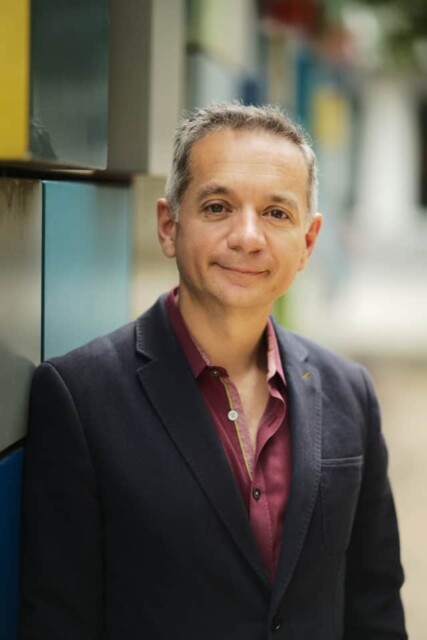
Brian Thorp
Founder & CEO, Wealthtender · Editor-in-Chief
Brian Thorp is the founder and CEO of Wealthtender and serves as Editor-in-Chief. With over 25 years in the financial services industry — including nearly 22 years at Invesco, where he led strategic partnerships with wealth management firms representing more than $100 billion in assets — Brian founded Wealthtender to help people find financial advisors they can trust and make more informed money decisions.
A member of the National Society of Compliance Professionals and its SEC Marketing Rule Working Group, Brian was recognized by WealthManagement.com as one of its “Ten to Watch in 2024” for his work reshaping how financial advisors market their services. He holds a B.B.A. in Finance from The University of Texas at Austin.
Brian and his wife live in Austin, Texas.